



Ipari alkalmazásokhoz kiváló lézerfénydiffrakciós analizátor, szemcseméréshez ideális: A Microtrac S3500 az első szemcseméretanalizátor, mely három, rögzített helyzetű, vörös diódalézert is alkalmaz azért, hogy a szemcsék mérési eredménye olyan helyes legyen, mint eddig még soha!
A szabadalmaztatott "Tri-Laser" rendszer gömbszerű szemcsékre a bevált Mie-kompenzációt, a nem gömbszerűekre a módosított Mie-számítást alkalmazva helyes, megbíztható és megismételhető eredményeket szolgáltat különböző szemcseméretmérési alkalmazásokban. Az S3500 méréstartománya 0.02 - 2800 mikron között van.
Jellemzők
- "Tri–laser", vörös, többdetektoros, több szórásszögű optikai rendszer
- nem gömbszerű szemcsékhez Mie-kompenzációt és Mie-számítást alkalmazó algoritmus
- 0.02 - 2800 mikron közötti méréstartomány
- nedves és száraz mérés
- zárt optikai rendszer csak minimális karbantartást igényel, csökkennek a leállási idők
Előnyök
- három vörös lézer megnöveli a méréstartományt, ez nagyobb flexibilitást biztosít többféle minta méréséhez
- módosított Mie-számítás lehetővé teszi komplex szemcsék helyes mérését, melyeknél más szemcseanalizátorokkal csak helytelen eredményekre lehet jutni
- nedves és száraz üzemmód közötti egyszerű átváltás csökkenti a leállási időt
- rögzített detektorok hosszú élettartamot és mindig pontos beállítást garantálnak
- kis helyigény az értékes laboratóriumi területből
Szemcseméret- és alakanalizátor S3500 Vélemények ügyfeleinktől
Megbízható vélemények az alábbiak által

Tipikus alkalmazások
Különböző anyagokhoz alkalmazható: italok, biotechnológia, vegyszerek, élelmiszer, gyógyászat / gyógyszergyártás, fémporok, fémek, pigmentek, ...

vegyszerek
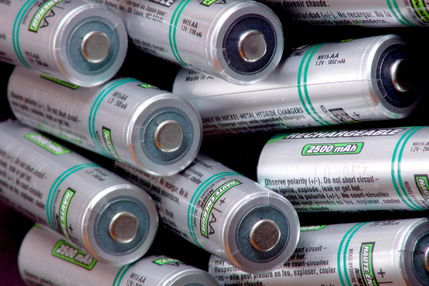
akkumulátor anyagok
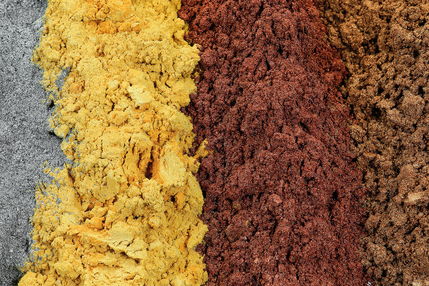
porok
Látogassa meg Alkalmazási adatbankunkat a szemcseanalízis legjobb megoldása érdekében!
Szemcseméretanalizátor S3500 Műszaki adatok
| Measuring range | 0.02 µm - 2.8 mm |
|---|---|
| Measuring principle | Laser diffraction |
| Lasers | 3x Red 780 nm |
| Laser power | 3 mW nominal |
| Detection system | Two fixed photo-electric detectors with logarithmically spaced segments placed at correct angles for optimal scattered light detection from 0.02 to 165 degrees using 151 detector segments. |
| Data | Volume, number and area distributions as well as percentile and other summary data |
| Data format | Stored in ODBC format in encrypted Microsoft Access Databases to ensure compatibility with external statistical software applications. |
| Data integrity | Data integrity may be ensured using FDA 21 CFR Part 11 compliant security features including password protection, electronic signatures and assignable permissions |
| Measuring time | ~ 10 to 30 seconds |
| Power requirements | AC input: 90 - 132 VAC, 47 - 63 Hz, single phase 200 to 265 VAC, 47 - 63 Hz, single phase |
| Power consumption | 25 W nominal, 50 W max. (depending on options installed) |
| Environmental conditions | Temperature: 5° to 40° Celsius (50° to 95° Fahrenheit) Humidity: 90% RH, non- condensing maximum Storage temperature: -10° to 50° Celsius (14° to 122° Fahrenheit) (dry only) Pollution: Degree 2 |
| Physical specifications | Case Material: Steel and impact resistant plastic Exterior surfaces are finished with corrosion resistant paint or plating |
| Dimensions (W x H x D) | ~ 560 x 360 x 460 mm (22 x 14 x 18 in) |
| Weight | ~ 27 kg (60 lbs ) |
| Eductor air supply | 100 psi (689 kPa) maximum pressure 5 CFM (8,5 m3/h) at 50 psi (345 kPa) minimum flow rate Free of dry contaminants, moisture and oil |
| Vacuum | Vacuum must exceed 50 CFM |
Szemcseméretanalizátor S3500 Letöltések
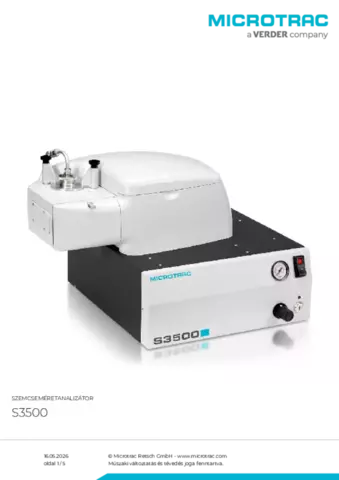
Termék adatlap S3500
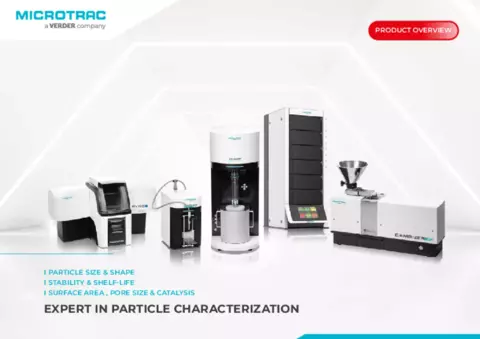
Product Overview
10 Most Common Errors in Particle Analysis - And How to Avoid Them
Particle analysis is an integral part of the quality control of bulk materials and is routinely performed in numerous laboratories. The methods used have often been established for years and are hardly ever questioned. Nevertheless, the procedure should be critically reviewed from time to time because a whole series of sources of error can negatively influence the results of a particle analysis. This white paper is intended to provide food for thought to make methods for particle characterization more reliable and accurate.
21 CFR Part 11 Compliance Matrix for Microtrac Instruments
This document explains how Microtrac FLEX software has been designed to satisfy and comply with regulations in 21 CFR Part 11 for electronic records and electronic signatures.
A Conceptual, Non-Mathematical Explanation on the Use of Refractive Index in Laser Particle Size Measurement
An explanation of Mie scattering and how Microtrac laser diffraction analyzers evaluate scattering signal from small particles.