



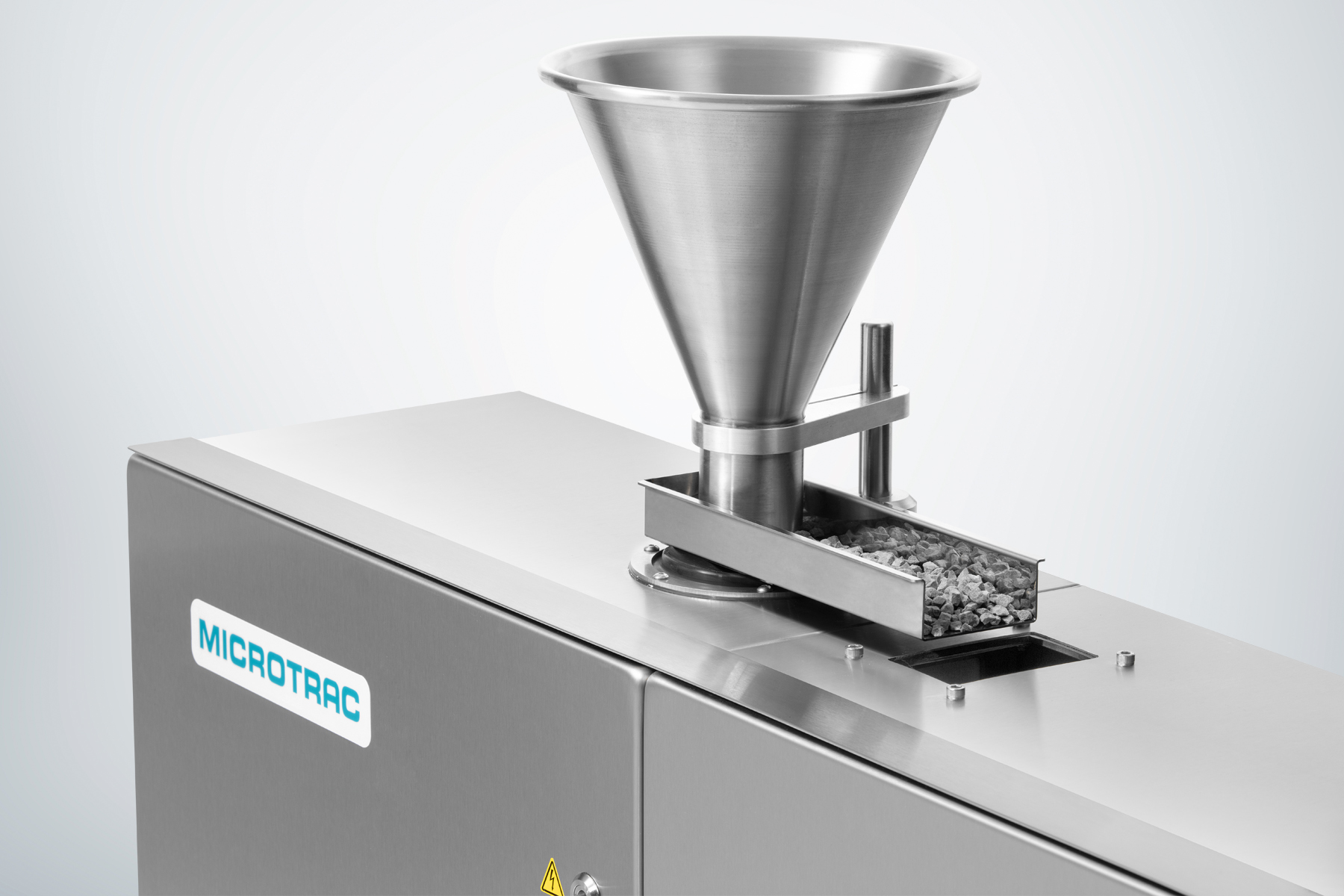
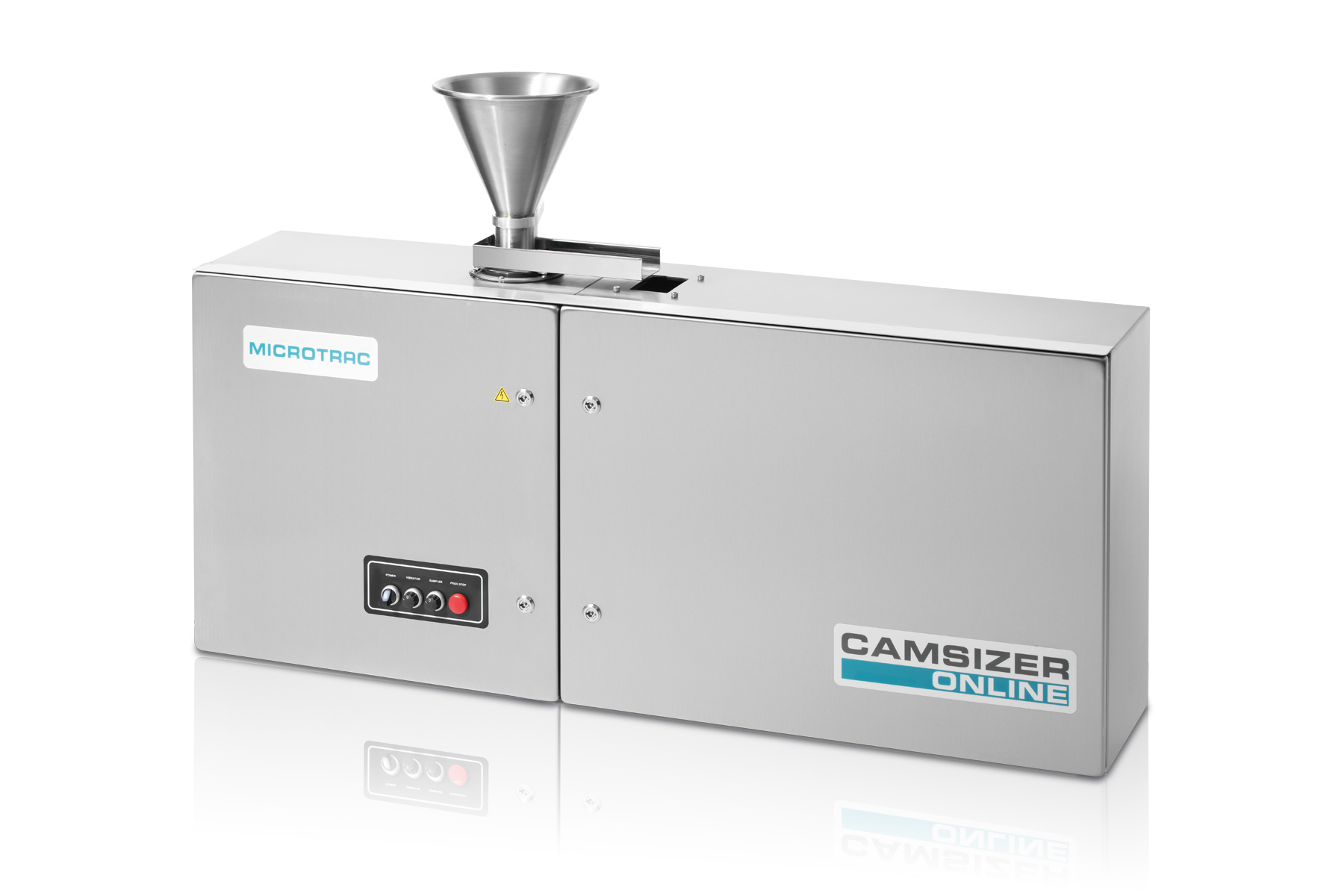

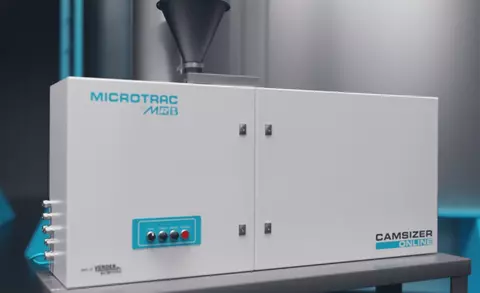
CAMSIZER ONLINE是一种在线3D粒度和形状分析仪,是可以被集成到任何生产过程中的循环回路。
CAMSIZER系统是可靠,坚固的系统。系统可用于测量颗粒,如肥料,沙子,糖,石头和各种食品工业产品。 CAMSIZER的设计及测量方法既直观又实用,而CAMSIZER ONLINE更以其用户友好性和应用灵活性而广受赞誉。 CAMSIZER ONLINE系统以产生和再现准确,快速和可靠的结果而闻名,该测量结果可以简易地根据您的质量控制程序进行校准。 CAMSIZER ONLINE可以快速地一次分析测量材料的32种形态参数,包括尺寸,形状,表面粗糙度,密度,透明度,当中包括D的分析。 CAMSIZER ONLINE可以测量尺寸范围从22微米到35毫米的颗粒。

CAMSIZER ONLINE 性能指标
- 材料的表征测量包括3D技术总共获得32种形态参数。
- 干燥颗粒的非接触式测量尺寸范围从22微米到35毫米
- 高速,高分辨率相机每秒分析100张图像
- 坚固耐用的设计,占用空间小
- 自动清洁机制,从而降低了用户的干预和增加最佳测量能力。
- 防爆等级
- 适合与第三方样品传送设备进行整合
- 优化作控制室使用
- 可根据样品条件定制
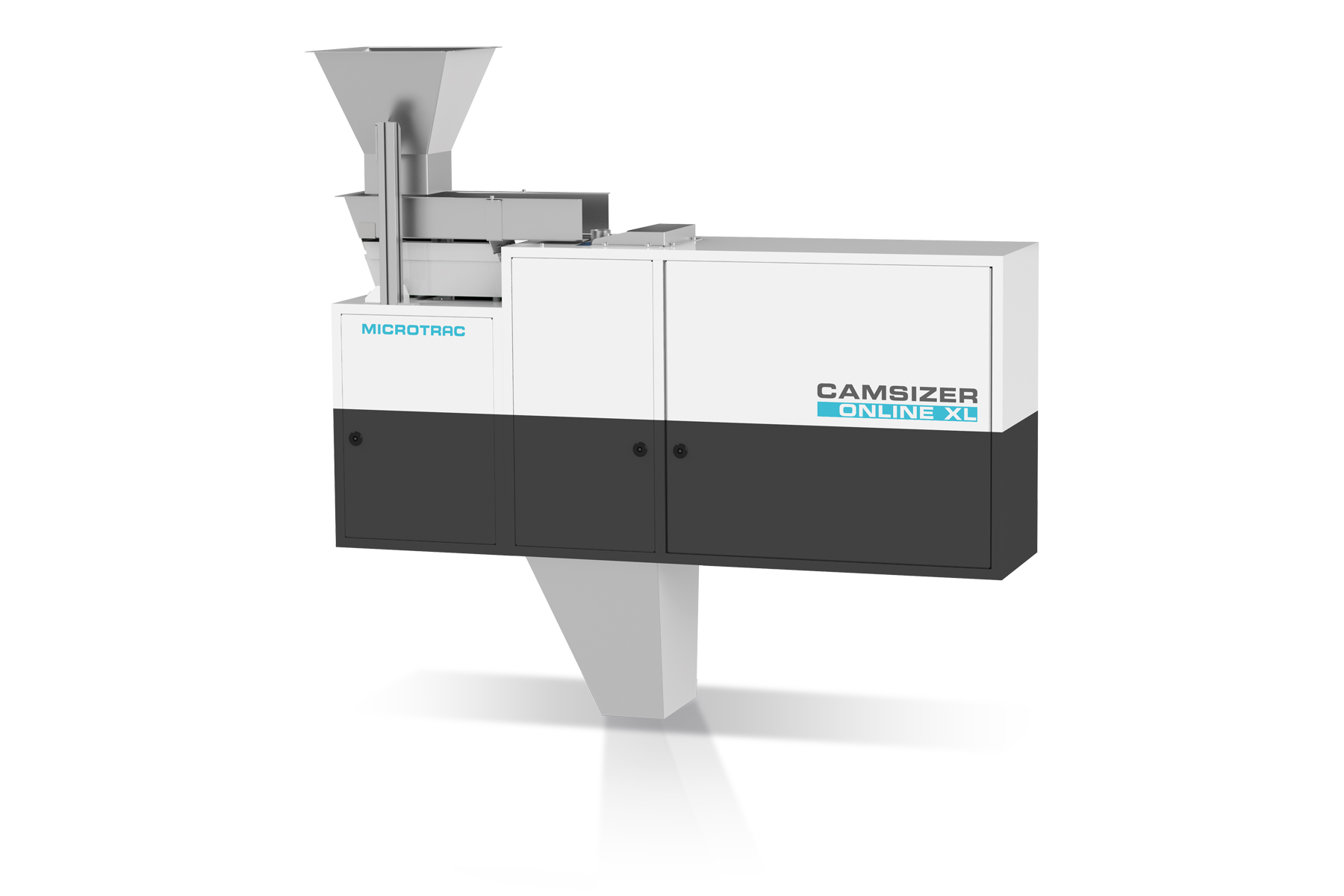
CAMSIZER ONLINE XL For Large Sample Materials
用于过程控制的在线大粒度和形状分析仪
CAMSIZER ONLINE XL是一款大型粒度和形状分析仪,可以测量粒度从160到135,000µm。Microtrac使用专利在线3D分析技术与Camsizer ONLINE 和Camsizer ONLINE XL。我们有超过25年的经验,帮助质量控制部门提高他们的产品质量与在线动态图像分析。
典型应用
适用于各种领域,例如: 总量, 建筑材料, 肥料, 食物, 地质 / 矿产, 玻璃珠, ...
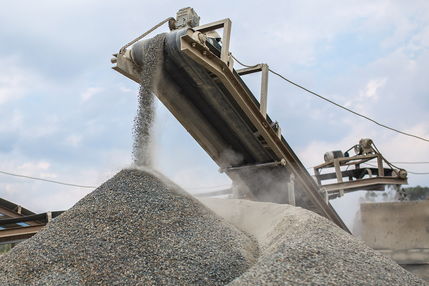
水泥
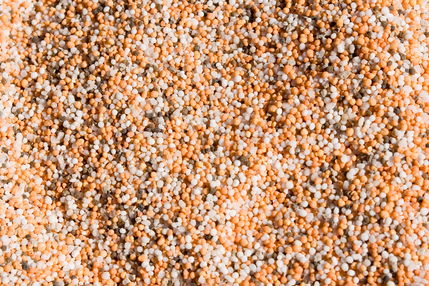
肥料
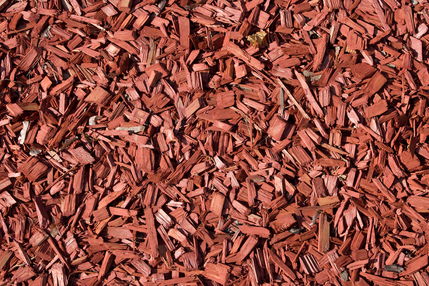
木屑
要找到满足您的颗粒表征需求的最佳解决方案,请访问我们的应用数据库
粒度和粒形分析器 CAMSIZER ONLINE 技术参数
| Measuring range | 30 µm - 30 mm (ONLINE) 160 µm - 135 mm (ONLINE XL) |
|---|---|
| Measurement principle | Dynamic image analysis |
| Type of analysis | Dry analysis of free flowing powders, granulates and bulk material |
| Measuring time | Approx. 5 – 10 minutes (depending on the desired measuring statistics) |
| Detection system | High-speed camera with 100 – 300 images per second (each with 5 MP) |
| Electrical | AC input: 100 – 132 VAC (120 VAC model) 200 – 250 VAC (240 VAC model) 47-63 Hz, single phase |
| Power consumption | Approx. 75 VA maximum |
| Temperature range | 10°C to 35°C (50°F to 95°F) |
| Humidity | 20% to 90% RH, non-condensing maximum |
| Storage temperature | -10°C to 50°C (14°F to 122°F) (dry only) |
| Pollution | Degree 2 |
| Standards | ISO 13322-2 Dynamic Image Analysis |
| Case material | Stainless steel Epoxy overcoat finish (optional) |
| Sample transport material | Stainless steel |
| Dimensions (W x H x D) | 55 x 35 x 12 in (1401 x 900 x 300 mm) |
| Weight | 132 lbs (60 kg) |
| Online system for process integration with 3rd party sample delivery devices |
粒度和粒形分析器 CAMSIZER ONLINE 资料下载

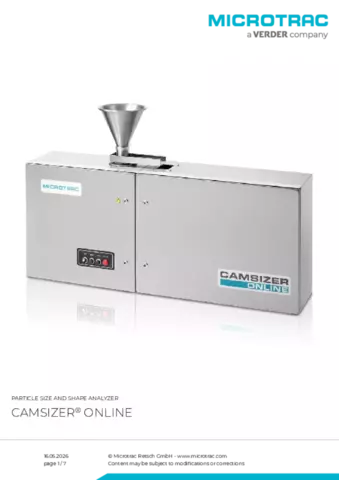
Product data sheet Camsizer Online
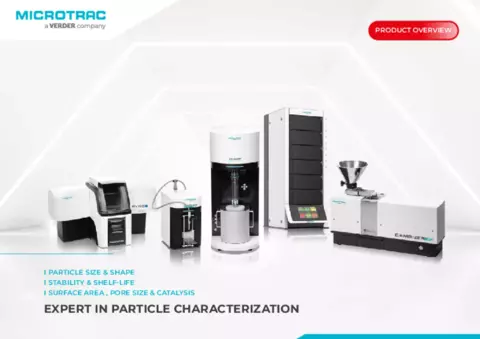
Product Overview

10 Most Common Errors in Particle Analysis - And How to Avoid Them
Particle analysis is an integral part of the quality control of bulk materials and is routinely performed in numerous laboratories. The methods used have often been established for years and are hardly ever questioned. Nevertheless, the procedure should be critically reviewed from time to time because a whole series of sources of error can negatively influence the results of a particle analysis. This white paper is intended to provide food for thought to make methods for particle characterization more reliable and accurate.
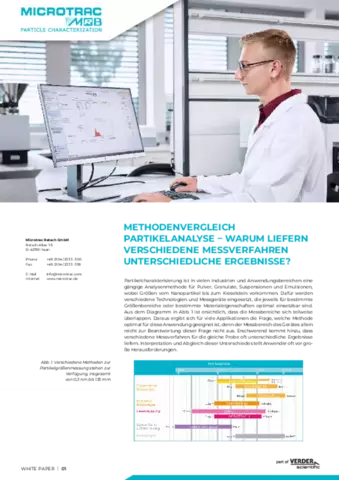
White Paper: Methodenvergleich Partikelanalyse
Warum liefern verschiedene Messverfahren unterschiedliche Ergebnisse? Partikelcharakterisierung ist in vielen Industrien und Anwendungsbereichen eine gängige Analysenmethode für Pulver, Granulate, Suspensionen und Emulsionen, wobei Größen vom Nanopartikel bis zum Kieselstein vorkommen. Dafür werden verschiedene Technologien und Messgeräte eingesetzt, die jeweils für bestimmte Größenbereiche oder bestimmte Materialeigenschaften optimal einsetzbar sind, wobei sich die Messbereiche teilweise überlappen. Daraus ergibt sich für viele Applikationen die Frage, welche Methode optimal für diese Anwendung geeignet ist, denn der Messbereich des Gerätes allein reicht zur Beantwortung dieser Frage nicht aus. Erschwerend kommt hinzu, dass verschiedene Messverfahren für die gleiche Probe oft unterschiedliche Ergebnisse liefern. Interpretation und Abgleich dieser Unterschiede stellt Anwender oft vor große Herausforderungen. In diesem Whitepaper sollen die gängigen Methoden der Partikelanalyse zunächst vorgestellt und dann miteinander verglichen werden.