




Developments in optical measurement technology have enabled particle shape characterization of granulated matter at rapid process speeds.
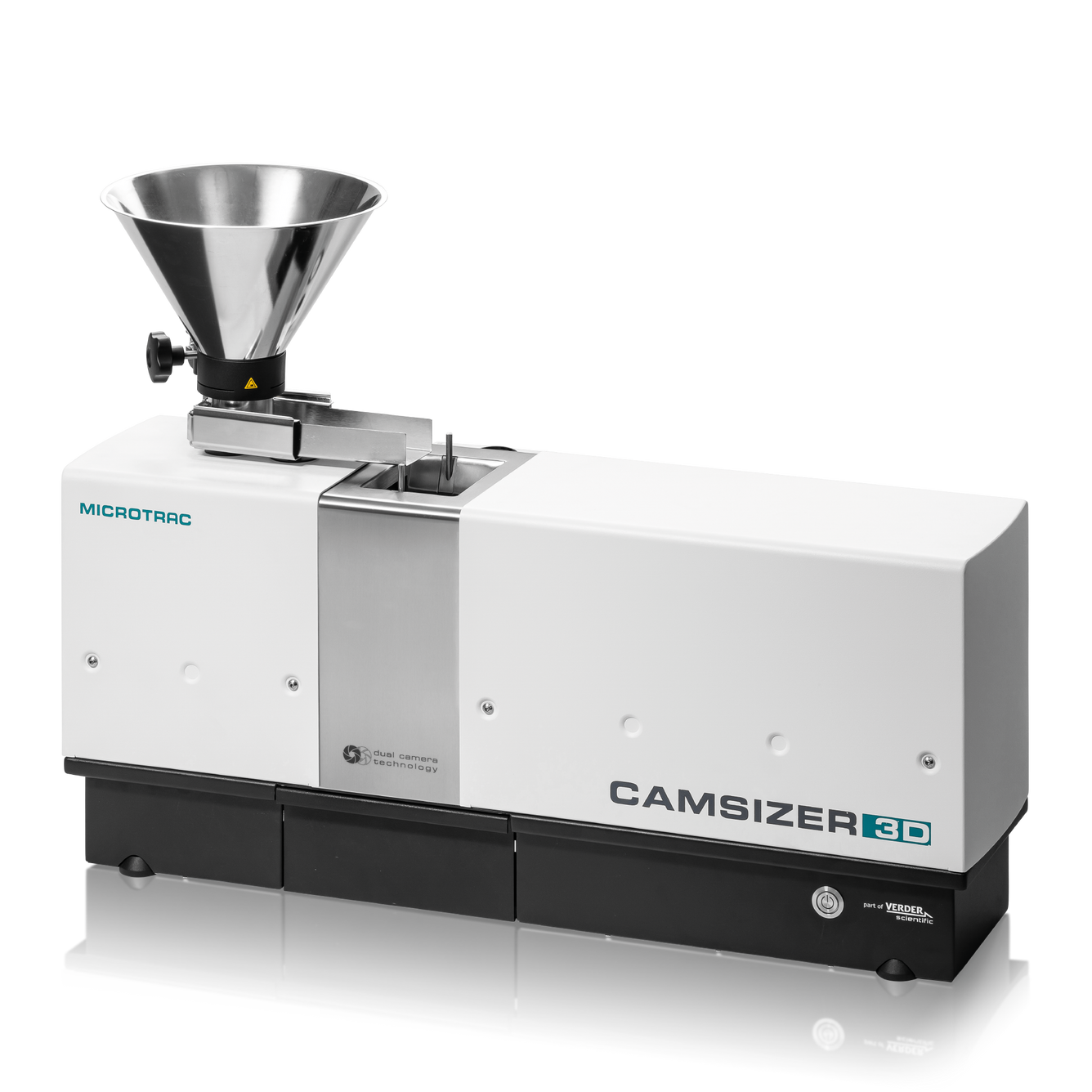
The CAMSIZER particle analyzer uses two high-definition cameras to provide a real-time evaluation of grain size distribution and particle shape analysis in a given sample.
The high-performance software rapidly and precisely determines a huge variety of size and particle shape parameters and makes the CAMSIZER an indispensable tool for applications in research & development and quality control.
Automatic particle shape analysis reduces labor cost in a wide range of industries including processing of foodstuffs, plastics, minerals and similar pourable, free flowable products.
Other Microtrac optical particle shape and size measurement techniques include laser diffraction and light scattering, giving way to analysis instruments measuring particle sizes from 1nm to 30mm.
The most important particle shape parameters
A variety of particle shape parameters may be determined with our CAMSIZER dynamic image analysis systems to evaluate product quality. These include:
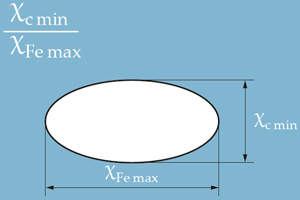
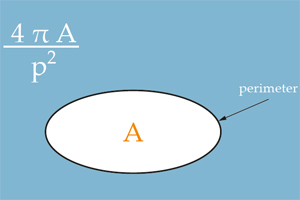
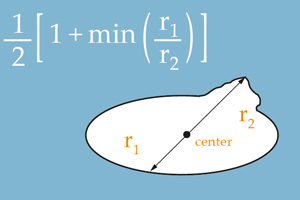
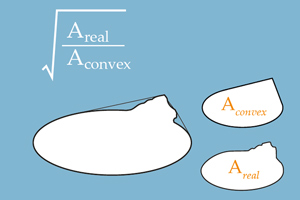
Advanced particle shape analysis as an alternative to Krumbein and Sloss
Thanks to the great depth of sharpness and excellent resolution, the Microtrac Camsizer systems are ideally suited to analyze complex particle shapes.
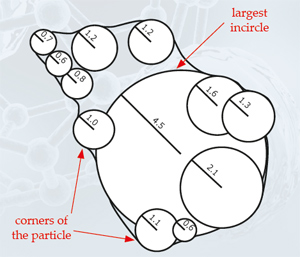
A new software feature determines the corner roundness/angularity of particle images by calculating the mean radius of all corners and dividing it by the radius of the largest incircle (see below).
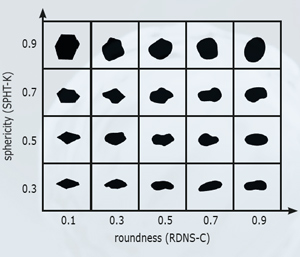
This shape parameter is particularly suitable for characterizing materials for which roundness is an important characteristic, such as, abrasives or special sands. Traditional shape analysis according to Krumbein and Sloss involves evaluation of sand grains under the microscope and visual assessment with the help of a table (see below).
The new Camsizer algorithm provides identical results to the time-consuming manual analysis method which have been verified in hundreds of tests. Moreover, these results have better repeatability and are independent of individual visual impressions.
Contacteer ons voor een vrijblijvend advies

Ultimately, the choice of whether to use a simple sieving solution or to invest in Laser Diffraction or Dynamic Image Analysis will depend on the volume of testing, the budgets and staffing available and any specific international standards or customer requirements that you face.
Why not contact Microtrac for a free consultation to find out which solution will deliver the outcome and the Return on Investment you need?